
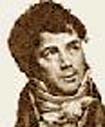
FERNANDO SOR
14th February 1778 --- 10th July 1839
Last Updated on 2022
By Steven Ritchie
And now for the Music

Thanks to Fred Nachbaur for the music below.
New (3612)"Study in C". Sequenced by Fred Nachbaur.
New (3611)"Study in E flat". Sequenced by Fred Nachbaur.
New (3610)"Study in G for Guitar". Sequenced by Fred Nachbaur.
Thanks to Ray Izumi for the music below.
New (3609)"Studio No.1, Opus 6". Sequenced by Ray Izumi.
New (3608)"Studio No.2, Opus 35". Sequenced by Ray Izumi.
New (3607)"Studio No.3, Opus 6". Sequenced by Ray Izumi.
Thanks to CRM114 for the music below.
"Military Divertimento, Opus.49". Sequenced by CRM114.
"Souvenir of Russia, Opus.63". Sequenced by CRM114.
(987)"Study No.16". Sequenced by Gary Rodriguez
(990)"Study No.17". Sequenced by Gary Rodriguez
(1800)"Six Divertimenti Opus.1, No.1 Andante". Sequenced by Mauricio Fabbri
(1801)"Six Divertimenti Opus.1, No.2 Waltz". Sequenced by Mauricio Fabbri
(1802)"Six Divertimenti Opus.1, No.3 Larghetto". Sequenced by Mauricio Fabbri
(1803)"Six Divertimenti Opus.1, No.4 Andante". Sequenced by Mauricio Fabbri
(1804)"Six Divertimenti Opus.1, No.5 Andante Sostenuto". Sequenced by Mauricio Fabbri
(1805)"Six Divertimenti Opus.1, No.6 Marcia". Sequenced by Mauricio Fabbri
(1792)"Based on Haydn's Creation arranged by Sor". Sequencer Unknown
(1793)"Grand Solo Opus.14". Sequencer Unknown
(1808)"Ses Amuzakoj Si Ailjana, Opus.2". Sequencer Unknown
(1789)"Study No.1". Sequencer Unknown
(1794)"Study No.2". Sequencer Unknown
(1795)"Study No.3". Sequencer Unknown
(1796)"Study No.4". Sequencer Unknown
(1797)"Study No.5". Sequencer Unknown
(1798)"Study No.6". Sequencer Unknown
(1799)"Study No.7". Sequencer Unknown
(1790)"Study No.14". Sequencer Unknown
(1791)"Study No.15". Sequencer Unknown
(988)"Variations on a Theme by Mozart,(Info by Ralph Stevens)". Sequencer Unknown
(989)"Sonata in C, Opus.15, No.2,(Info by Ralph Stevens)". Sequencer Unknown
If you done any Classical pieces of say for example, Delius, mozart, and so on etc,
please email them to the classical music site with details to
"classical (@) ntlworld.com" written this way to stop spammers
just remove spaces and brackets for email address, thank you.
Visitors to this page --
Back to Classical Midi Main Menu click "HERE"
